



FUXIN manufactures custom AF anti-fingerprint / oleophobic cover glass for medical displays, patient monitors, bedside terminals, ultrasound systems, diagnostic equipment and other frequently touched healthcare interfaces. The AF surface is designed to reduce the adhesion and visibility of fingerprints, skin oils and moisture while making routine wipe-down cleaning easier.
The cover glass can be chemically strengthened or thermally tempered according to the selected substrate, thickness and mechanical requirement. Custom CNC machining, edge finishing, silk-screen printing, AG anti-glare, AR anti-reflective and optical-bonding preparation can also be integrated into the same OEM project.
For medical equipment, AF performance should be validated against the actual cleaning chemicals and wipe protocol used by the device manufacturer. AF improves cleanability, but it is not an antimicrobial treatment and does not replace the device manufacturer's hygiene or disinfection procedure.
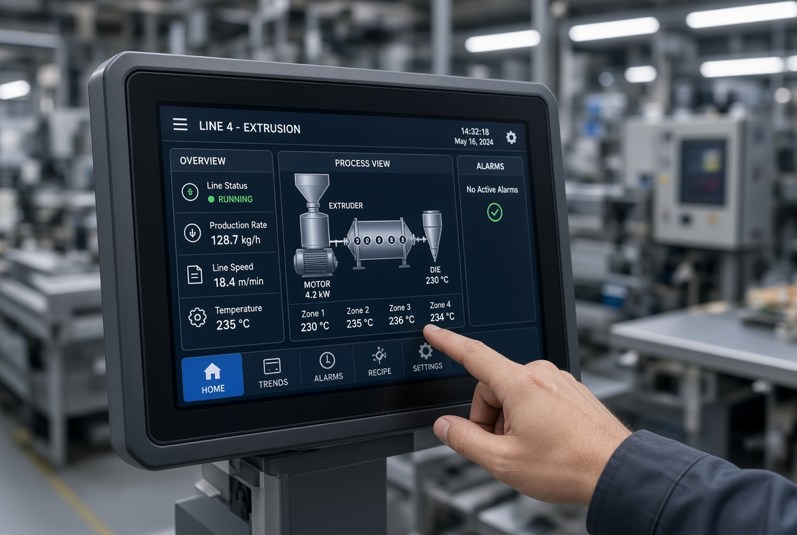
Advanced fluoropolymer-based nano-coating creates a low-surface-energy layer. Water contact angle ≥110° and oleic acid contact angle typically >70°. Fingerprints and oils wipe away effortlessly. Maintains performance through thousands of cleaning cycles with common medical disinfectants (IPA, ethanol, mild quaternary ammonium solutions).
Chemically or thermally tempered glass (depending on thickness and application) provides 9H surface hardness, high impact resistance, and excellent scratch protection. Ideal for environments subject to frequent handling, cleaning, or mechanical stress.
High visible light transmittance (≥92%, higher with optional AR enhancement). Minimal haze and excellent color neutrality support accurate image viewing on medical and industrial displays.
Resistant to repeated disinfection protocols common in healthcare settings and harsh industrial conditions. Stable across wide operating temperatures (typically -40°C to +180°C range depending on substrate).
Smooth, low-friction surface enhances touch sensitivity and provides a premium feel. Reduces smudge buildup that can degrade visibility and require frequent cleaning interruptions.
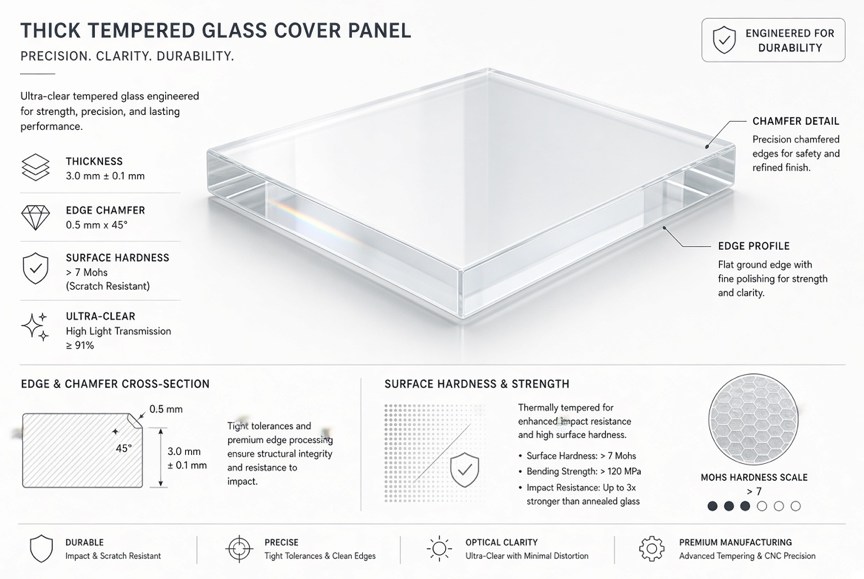
Material | High-quality soda-lime or aluminosilicate glass (e.g., Corning Gorilla Glass, AGC Dragontrail) |
Strengthening | Chemical or thermal tempering |
Thickness | 0.55mm - 6mm (customizable) |
Light Transmittance | ≥91% - 92% |
Surface Hardness | 9H (pencil hardness scale) |
Water Contact Angle | ≥115° (initial) |
Oil Contact Angle | ≥75° (initial) |
Coating Thickness | 10nm - 20nm |
Abrasion Resistance | >3,000 cycles (steel wool, 1kg load) |
Sliding Angle | ≤10° |
Edge Treatment | Polished, beveled, or 2.5D/3D edges |
l Patient monitors and bedside touch terminals
l Ultrasound and diagnostic equipment interfaces
l Surgical and clinical touch displays
l Laboratory analyzers and medical control panels
l Portable and cart-mounted medical touchscreen equipment
l Healthcare self-service and check-in terminals where easy cleaning is required
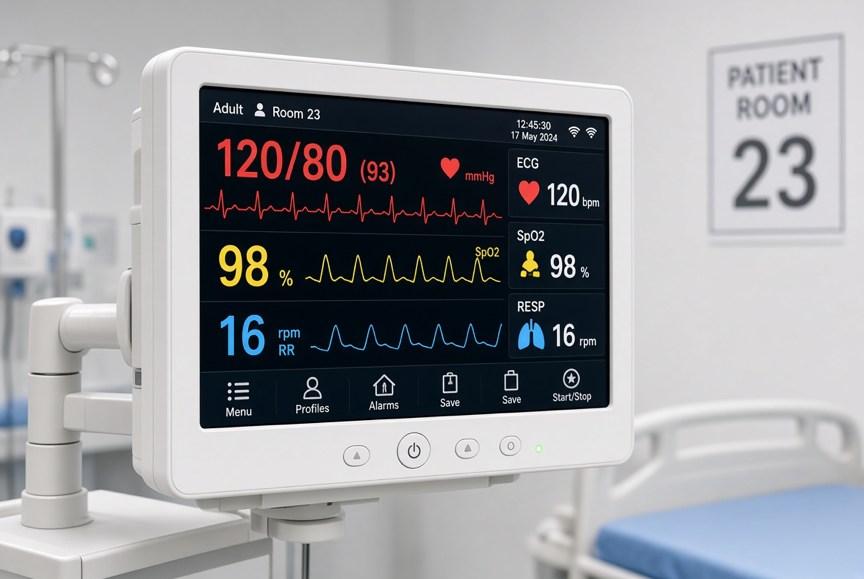
For medical projects, a useful AF specification should include more than an initial water contact angle. Cleaning chemistry, abrasion conditions and the acceptance value after repeated wiping matter because the coating is exposed to frequent maintenance.
Parameter | Recommended Definition |
Water Contact Angle | Define initial target and, where necessary, the minimum acceptable value after durability testing. |
Oleophobic / Oil Behavior | Specify test liquid, oil-contact-angle target or practical cleaning requirement. |
Cleaning Compatibility | List the actual IPA, ethanol, detergent or disinfectant used by the device. |
Wipe / Abrasion Durability | Define cloth or abrasion medium, load, cycle count and pass/fail criteria. |
Coefficient of Friction / Touch Feel | Specify when smooth finger glide is important for the user interface. |
Optical Performance | Define transmittance, haze, reflection or color requirements where the display is visually critical. |
AF anti-fingerprint coating and AM antimicrobial treatment solve different problems. AF mainly improves cleanability and reduces fingerprint / oil adhesion. AM is intended for projects that require validated antimicrobial surface performance. A medical display may use AF alone, AM alone, or a compatible combination depending on the product requirement, but the two terms should not be used interchangeably.
In medical environments, frequent disinfection and high hygiene standards demand a surface that stays clean and optically clear without degrading. In industrial settings, operators need reliable touch res.ponse and resistance to oils, dust, and abrasion. Our AF oleophobic tempered cover glass delivers both: long-lasting protection that reduces maintenance time and supports consistent visual performance.
Whether you need standard panels or fully customized solutions with specific optical coatings, edge finishing, or printing, we support low-to-high volume production with consistent quality.
AF is a nano-scale low-surface-energy treatment that reduces the adhesion of fingerprints, oils and moisture and makes the cover glass easier to wipe clean.
Yes, AF cover glass can be suitable for patient monitors and other medical touch displays where frequent interaction and routine cleaning are important. The exact coating should be validated against the device's cleaning protocol.
It can be designed for repeated cleaning with specified chemicals, but compatibility should be verified using the actual IPA, ethanol or disinfectant concentration, wipe material, cycle count and acceptance criteria used by the medical-device manufacturer.
Service life depends on touch frequency, abrasion, cleaning chemistry and the coating system. A durability specification based on repeated-wipe testing is more reliable than a fixed number of years.
Yes, compatible AR+AF or AG+AF configurations can be evaluated when the optical target and coating sequence support them.
No. AF and antimicrobial treatment are different functions. AF improves cleanability and fingerprint resistance; antimicrobial performance requires a separately validated AM treatment.
Yes. FUXIN can integrate compatible chemical strengthening, CNC processing, edge finishing and silk-screen printing into a medical cover-glass project.

Copyright © 2026 Fuxin Glass (Dongguan City) Technology Co., Ltd. All Rights Reserved