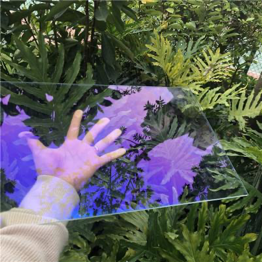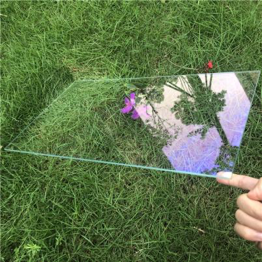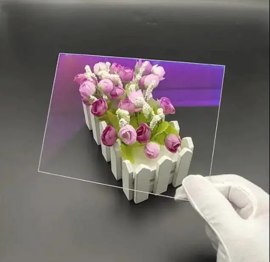



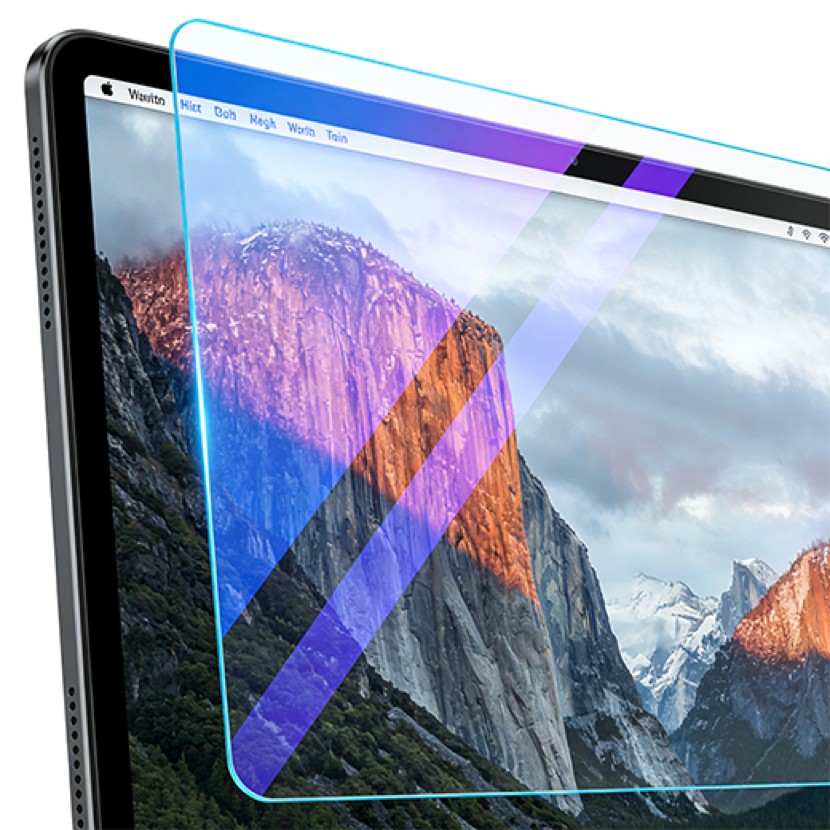
Anti-reflective (AR) glass works by applying thin-film layers or nanostructures to its surface, creating destructive interference of reflected light. This reduces surface reflection (often below 1%), while maximizing light transmission, thereby improving clarity and reducing glare.
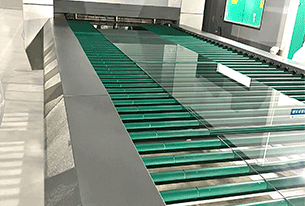
|
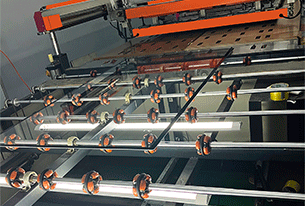
|
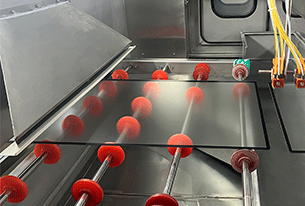
|
We provide full customization of AR anti-reflective glass with complete size, coating, processing and durability options to meet optical and industrial standards.
Glass Substrate | Soda-lime, High-alumina, Borosilicate |
Dimensions (L × W) | Max: 1200 × 800 mm; Min: 10 × 10 mm |
Thickness | 0.3 mm – 6.0 mm |
AR Coating Side | Single-side (SS) or Double-side (DS) |
Reflectance (per side) | 0.2% – 1.0% (customizable) |
Transmittance | >94% (SS) or >97% (DS) achievable; up to 98.5% |
Wavelength Range | 400–700 nm (visible) or 350–1100 nm (broadband) |
Hardness | Pencil hardness ≥ 9H |
Abrasion Resistance | ≥ 500 cycles (steel wool #0000, 1 kg load) |
Chemical Strengthening | Yes, optional (ion exchange) |
Surface Flatness / Warpage | ≤ 0.2 mm per 300 mm length (after strengthening) |
Edge Finishing | Ground, polished, bevel (C-angle), or round (R-angle) |
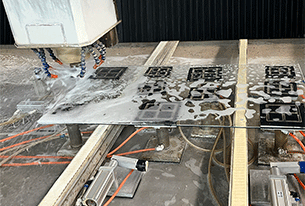
Custom Shape / Cutouts | Holes, notches, slots, rounded corners |
Cleanliness / Defects | ≤ 0.1 mm pinhole/scratch; ≤ 3 defects per 100 × 100 mm |
Durability Testing | Pass: 48h humidity (85°C/85% RH), 24h salt spray (5% NaCl), 72h thermal shock (-40°C to 85°C) |
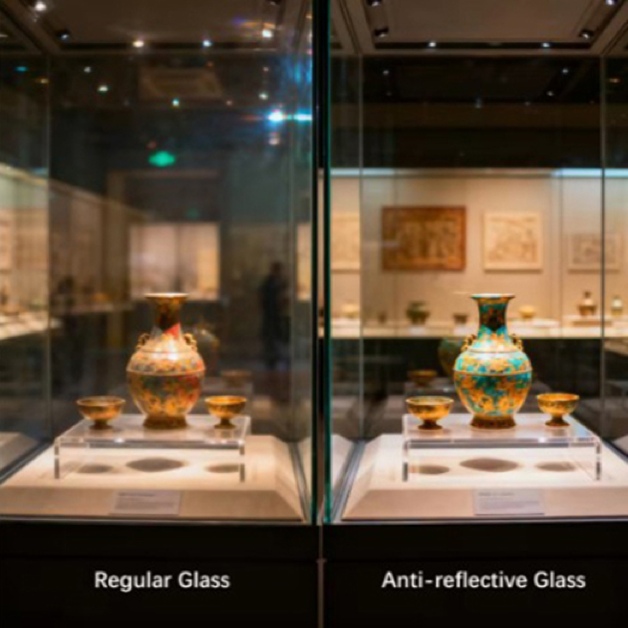
Unlike ordinary glass that reflects most ambient light and causes mirror-like glare, FUXIN AR coating stacks multiple precise nano thin-film layers on glass surface. Based on light wave destructive interference principle, the coating offsets reflected light waves and minimizes light loss. Single-side AR coating reduces surface reflection on one side, while double-side AR coating achieves ultra-low reflectance on both surfaces for maximum light throughput. The tightly bonded film layer delivers stable optical performance and long service life even under complex temperature and humidity environments.
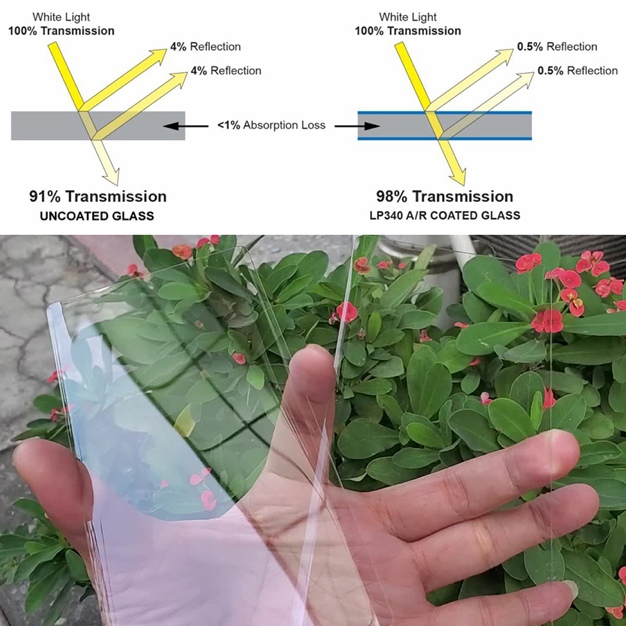
l Ultra-Low Reflectance & Ultra-High Transmittance: Single-side reflectance as low as 0.2%, double-side transmittance reaches 98.5%, greatly boosting screen contrast and clarity.
l Effective Glare Suppression: Eliminates mirror reflections under sunlight and bright indoor lighting, improving readability of outdoor touch screens and monitors.
l Strong Environmental Durability: Pass humidity, salt spray and thermal shock aging tests; resistant to temperature fluctuation and daily wiping.
l High Abrasion Resistance: Withstands over 500 cycles of steel wool friction without film peeling or scratch marks.
l Dual Coating Compatibility: Can be combined with AF anti-fingerprint, AG anti-glare coatings for multi-functional integrated glass.
l Wide Wavelength Customization: Supports visible light and broadband 350–1100nm coating for optical and photovoltaic scenarios.
l Precision Custom Machining: Custom cutouts, holes, edge polishing and rounded corners for device assembly.
l Multi-Scenario Optical Upgrade: Reduces eye strain for long-time screen viewing and improves energy conversion efficiency of solar panels.
l High-end display screens (monitors, TVs, digital signage) – to reduce glare and improve visibility under bright light
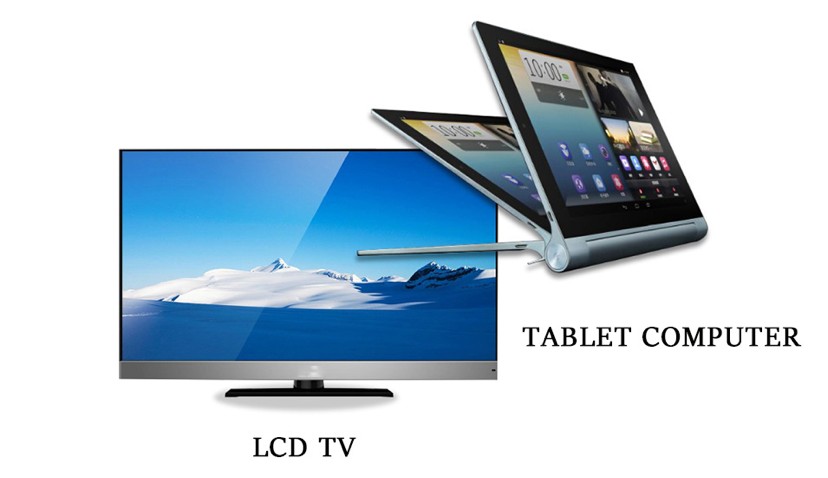
l Touch panels and interactive kiosks – for clearer touch response and readability outdoors

l Automotive infotainment systems and instrument clusters – to minimize dashboard reflections

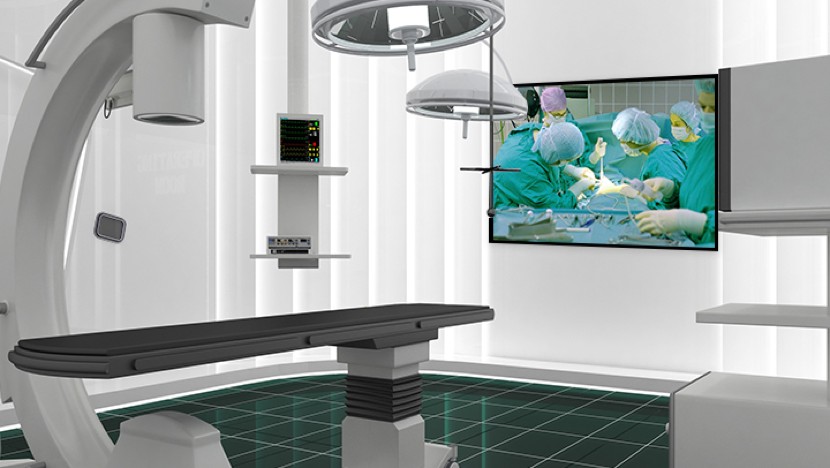
l Medical equipment displays (surgical monitors, patient monitors) – ensuring accurate visual data with low reflection
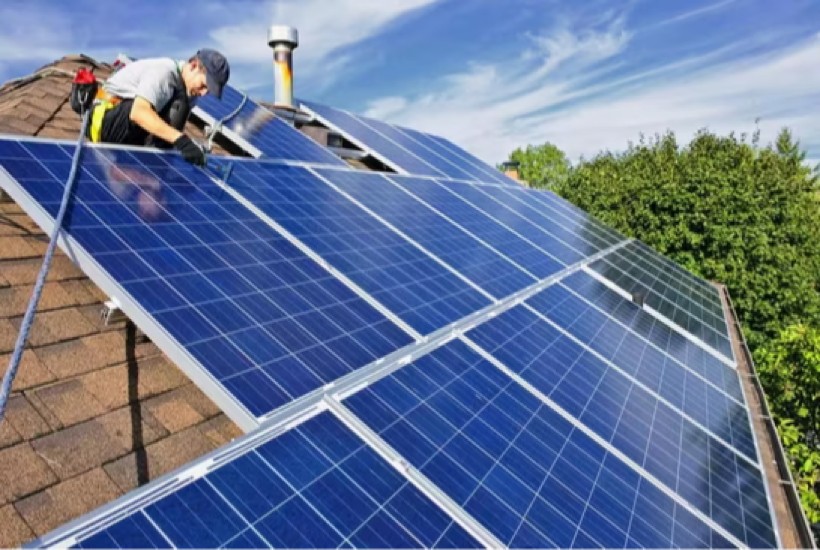
l Photovoltaic glass (solar panels) – increasing light transmission and energy yield
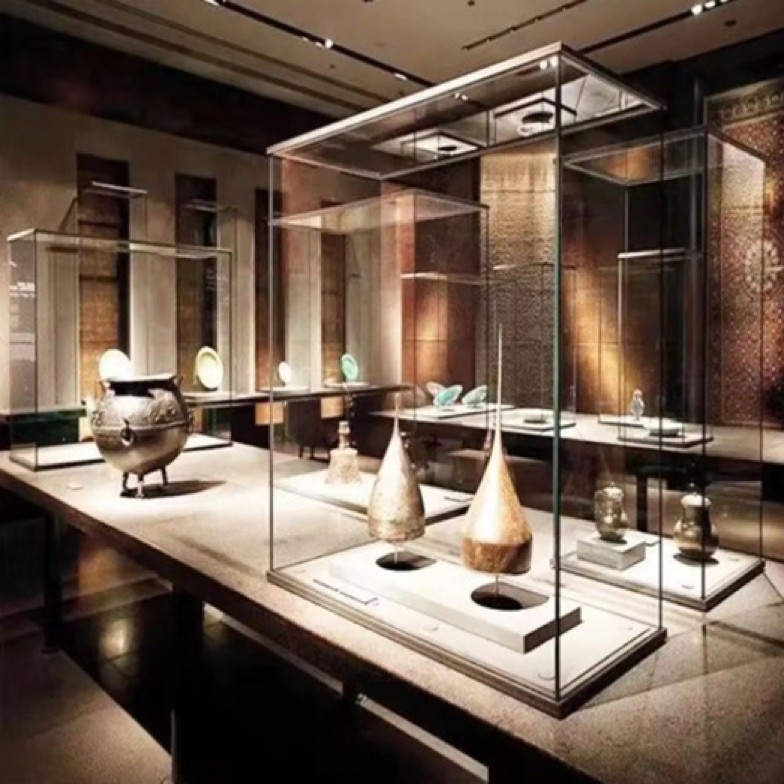
l Showcase and museum glass – for nearly invisible protection of exhibits
l Consumer electronics (smartphones, tablets, laptops) – reducing eye strain and outdoor reflectivity
Single-side AR only reduces reflection on one surface with transmittance >94%;
double-side AR coats both sides to reach over 97% light transmittance for high-precision optical demands.
Yes, we support composite AR+AF coating to realize low reflection and easy-clean anti-smudge performance at the same time.
All AR glass passes strict 48h humidity, 24h salt spray and 72h thermal shock durability testing for long-term outdoor use.
Standard visible light 400–700nm; customized broadband 350–1100nm AR coating for optical instruments and photovoltaic glass.







Copyright © 2026 Fuxin Glass (Dongguan City) Technology Co., Ltd. All Rights Reserved