



 2026-04-20
 266
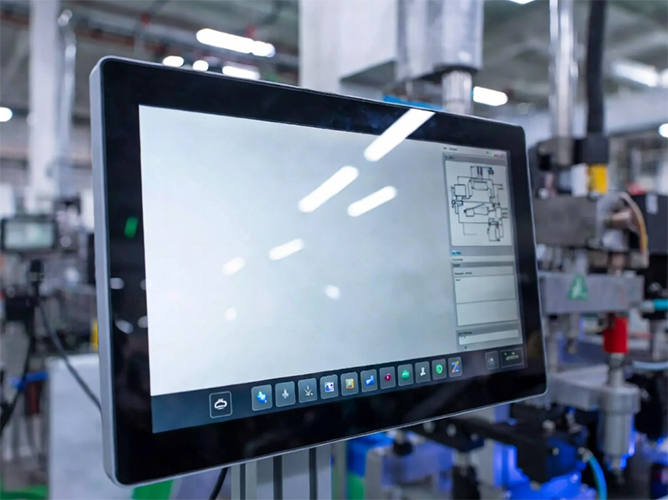
266 Anti-glare cover glass is widely used in industrial touch panels, medical displays, automotive dashboards, outdoor kiosks, and premium consumer electronics. Its AG surface, created through precision chemical etching or advanced coating technology, helps reduce unwanted reflections and improves screen readability under bright, uneven, or changing lighting conditions.
However, the long-term performance of AG glass depends not only on its anti-glare effect, but also on the durability of its surface treatment. In real-world applications, cover glass may be exposed to high humidity, sudden temperature fluctuations, cleaning agents, and continuous heat. If the AG layer has poor adhesion or insufficient stability, problems such as coating delamination, haze increase, light transmittance reduction, or yellowing may occur. These issues can eventually lead to product failure, warranty claims, and a poor user experience.
To evaluate durability, the boiling water test is widely used as an accelerated aging method. Typically performed at 100°C for 4 hours, this test simulates some of the harshest environmental conditions AG glass may face during actual use. It is an effective way to quickly assess:
Coating adhesion strength
Resistance to hydrolysis and moisture attack
Thermal stability of the anti-glare microstructure
Risk of haze increase or other optical degradation
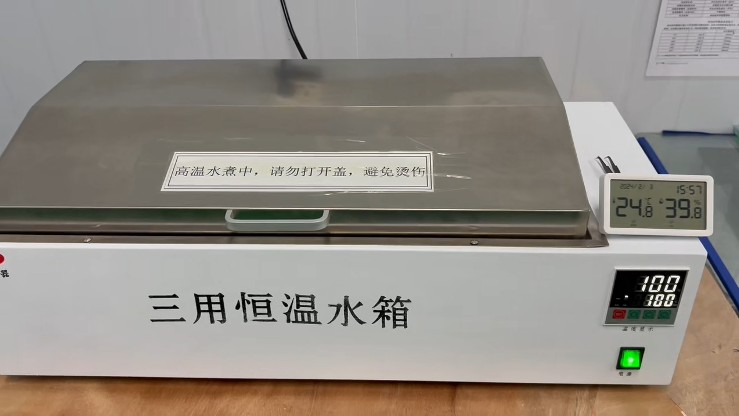
When a product performs well in this test, it gives customers greater confidence that the AG surface will remain stable over time, even in demanding environments such as outdoor installations, medical sterilization conditions, or high-temperature industrial applications.
Fuxin Glass’s proprietary anti-glare cover glass not only passed the 4-hour boiling water test, but also delivered performance beyond common industry expectations:
No coating delamination
Haze increase of less than 0.2%
No measurable change in light transmittance or color
Excellent surface integrity maintained after testing
By choosing Fuxin AG cover glass, engineers and manufacturers can benefit from lower failure risk, longer product life, and consistently strong optical performance in a wide range of lighting conditions.

Copyright © 2026 Fuxin Glass (Dongguan City) Technology Co., Ltd. All Rights Reserved