



Enhance your solar module performance with our premium anti-reflective glass specifically engineered for photovoltaic applications. By applying a high-performance anti-reflective coating on low-iron tempered glass, we minimize light reflection and maximize sunlight transmission to the solar cells.This results in a typical efficiency gain of 2-4% (or more in real-world conditions), higher annual energy yield, and better ROI for solar projects. Our AR solar glass is ideal for monofacial and bifacial panels, utility-scale farms, commercial installations, and high-end residential systems.
Key Benefits
Higher Light Transmission: Achieves >94% transmittance (vs. ~90-91% for standard glass), allowing more photons to reach the cells.
Reduced Reflection Losses: Cuts surface reflectance from ~4% to below 1-2%, even at wide angles.
Increased Energy Output: Boosts power generation by 2-4% or more, with additional gains at dawn/dusk or oblique sunlight.
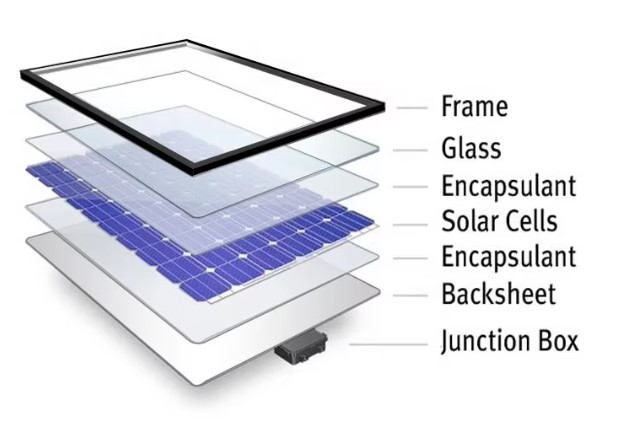
Durability & Reliability: Tempered low-iron glass with robust coating resistant to environmental factors; often includes hydrophobic/self-cleaning properties for lower maintenance.
Glare Reduction: Minimizes reflections for safer installations near airports, roads, or residential areas.
Long Lifespan: Maintains performance over 25+ years under IEC standards.
Technical Specifications (customizable – contact us for details)
Glass Type: Low-iron tempered solar glass
Coating: Advanced multi-layer or porous silica anti-reflective coating (sol-gel or similar)
Light Transmittance: ≥94% (with AR coating)
Reflectance: <2% (typically ~1%)
Thickness: Standard 3.2mm or custom (e.g., 4mm)
Size: Available in standard panel sizes or custom-cut
Standards: Compliant with IEC 61215, IEC 61730, and other PV certifications
Additional Options: Hydrophobic/self-cleaning layers, textured surfaces for extra light trapping
How Anti-Reflective Coating Works
The thin-film coating creates destructive interference for reflected light waves, directing more sunlight into the panel. Combined with low-iron content (which reduces inherent absorption), this delivers superior optical performance across the solar spectrum.
Applications
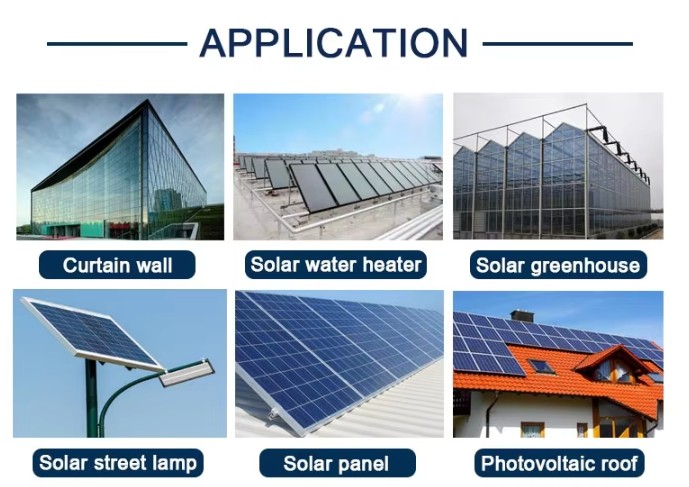
Solar module manufacturing (monofacial & bifacial)
Utility-scale solar farms
Commercial and industrial rooftops
Agrivoltaics and special projects requiring low glare

Copyright © 2025 Fuxin Glass (Dongguan City) Technology Co., Ltd. All Rights Reserved